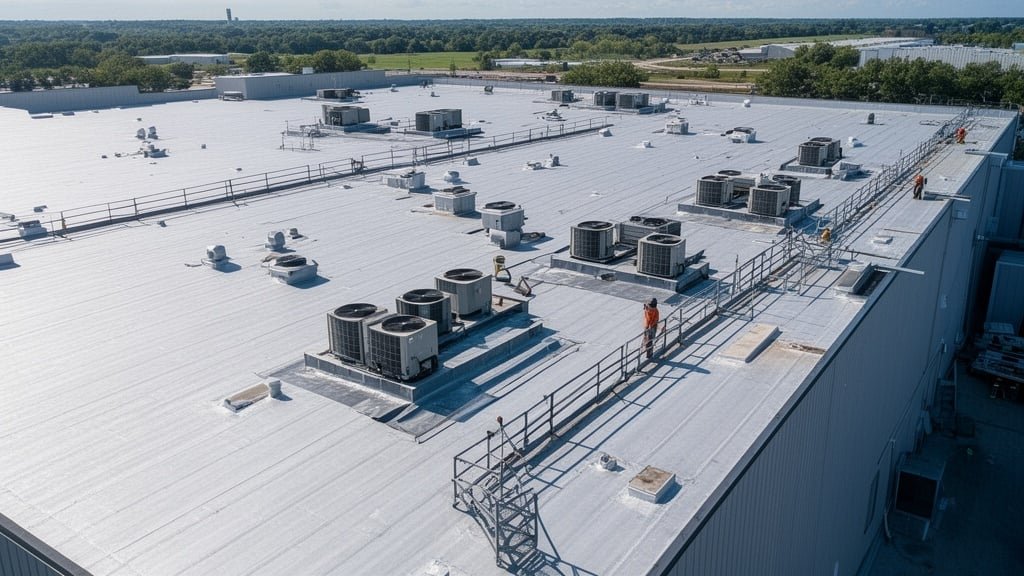
Your roof is your home's first line of defense against the elements. But how do you know when it needs professional attention from My Roof Surveyor? In this comprehensive guide, we'll walk you through the ten critical warning signs that indicate your roof requires immediate inspection by a qualified roof surveyor.
Why Early Detection Matters
Before we dive into the warning signs, it's important to understand why catching roof problems early is so crucial. A small issue with a few missing tiles might cost £200 to fix today. Ignore it, and water ingress can cause thousands of pounds worth of damage to your roof structure, insulation, and interior.
As independent roof surveyors serving the North West for over 15 years, we've seen countless cases where homeowners could have saved significant money by addressing roof damage signs earlier. That's why we always recommend professional roof inspection at the first sign of trouble.
1. Missing, Cracked, or Slipped Tiles
This is perhaps the most obvious warning sign that your roof needs attention. Missing tiles create gaps in your roof covering, allowing rainwater to penetrate beneath. Even a single missing tile can lead to water ingress that damages the felt, timbers, and eventually your home's interior.
Look for gaps in your roof when viewing from the ground. After storms, check your garden for broken tiles or slate. If you spot missing tiles, don't wait - book a roof survey today. Our drone roof surveys can quickly identify all damaged areas without the need for scaffolding.
What Causes Tiles to Fail?
Tiles can become loose or damaged due to age, frost damage, strong winds, or poor installation. In the North West, we see a lot of storm damage to tiled roofs, particularly on properties exposed to prevailing winds. Regular roof inspections help catch these issues before they escalate.
2. Water Stains on Ceilings or Walls
Brown or yellow stains appearing on your ceilings or walls are a clear sign of water ingress from above. These stains indicate that water is penetrating your roof and traveling through the structure. By the time stains appear inside your home, roof damage has likely been ongoing for some time.
Don't ignore these stains, even if they seem to dry out between rains. Water damage is progressive, and even small amounts of moisture can lead to rot, mold growth, and structural problems. Our thermal imaging surveys can detect hidden moisture that hasn't yet created visible staining.
Common Leak Locations
- Around chimney stacks and flashings
- Valley gutters between roof slopes
- Roof windows and skylights
- Where roof planes meet walls (abutments)
- Ridge tiles at the roof peak
3. Sagging Roof Areas
A sagging or dipping roof is a serious warning sign that requires immediate professional assessment. Sagging indicates structural problems - possibly rotting roof timbers, failed support beams, or excessive weight from waterlogged insulation.
View your roof from the street and look for any areas that appear to dip or sag compared to the overall roof line. Even a small sag warrants urgent investigation by a professional roof surveyor. These structural issues won't fix themselves and will only worsen over time.
If you notice sagging, contact My Roof Surveyor immediately. We can assess the structural integrity of your roof and advise whether timely roof repairs are sufficient or if more extensive work is needed.
4. Damaged or Missing Flashings
Flashings are the metal or felt strips that seal joints and gaps in your roof - around chimneys, where walls meet roofs, and along valleys. When flashings fail, water can pour into these vulnerable areas, causing rapid damage.
Look for lifted, cracked, or corroded flashings. Lead flashings can sometimes be stolen, leaving your property completely exposed. Missing flashings around chimney stacks are particularly problematic, as water can run down the chimney and into your home.
Why Flashings Fail
Flashings deteriorate due to weathering, thermal expansion and contraction, and general age. Lead flashings can develop cracks or become brittle over decades of service. Poor installation by roofers is another common cause - flashings must be properly integrated with the roof covering to provide effective waterproofing.
5. Blocked or Overflowing Gutters
While gutters aren't technically part of your roof covering, they're essential for roof health. Blocked gutters cause water to overflow and run back under roof tiles, saturating the roof structure. This water ingress can rot fascias, soffits, and roof timbers.
Check gutters regularly, especially after autumn leaf fall. Water should flow freely to downpipes. If you see water spilling over gutter edges during rain, or plants growing from gutters, it's time for cleaning.
Our roof surveyors always assess gutter condition during inspections because blocked gutters are a common cause of roof damage. Regular maintenance prevents costly repairs.
6. Daylight Visible Through Roof Boards
If you can see daylight through your roof when you're in the loft, you have holes in your roof covering. This is an obvious sign that tiles, slate, or roof boards have failed. Where light gets in, water definitely gets in.
Check your loft on a bright day. Look for light spots penetrating through the roof. Also look for water stains on the underside of roof timbers and felt, which indicate past or ongoing leaks.
What to Look For in Your Loft
- Daylight penetrating through the roof
- Water stains on timbers or felt
- Damp or soaked insulation
- Mold or mildew growth
- Dripping or dampness during rain
- Signs of pest infestation (entering through roof gaps)
7. Moss, Algae, or Plant Growth on Roof
Excessive moss growth on your tiled roof or slate might seem merely unsightly, but it's actually a warning sign of potential problems. While a light covering of moss is normal on older roofs, heavy growth can trap moisture against the roof covering and accelerate deterioration.
Moss growth is particularly problematic because it can lift tiles, allowing water underneath. It also retains moisture, which can freeze in winter and damage roof materials. Plants growing from gutters or between tiles indicate blocked drainage and trapped debris.
Our residential roof surveys assess the extent of organic growth and advise on whether professional cleaning and treatment are needed. In some cases, heavy moss indicates that the roof covering is nearing the end of its life.
8. Chimney Problems
Your chimney stack is one of the most exposed and vulnerable parts of your roof. Look for deteriorating pointing, cracked bricks, leaning stacks, or missing chimney pots. These issues allow water to penetrate the masonry, leading to internal damp and potential structural problems.
Chimney stack problems are common in older properties across the North West. The combination of age, weather exposure, and ground movement can cause chimneys to deteriorate or lean. A professional roof inspection will assess both the chimney structure and the critical flashings where it meets your roof.
When Chimney Repairs are Urgent
If your chimney stack is visibly leaning or you notice falling bricks or mortar, this is a safety issue requiring immediate attention. Even stable chimneys with deteriorating pointing need timely roof repairs to prevent water damage.
9. Rising Energy Bills
This might seem an unexpected roof problem indicator, but if your heating bills have increased without explanation, your roof could be to blame. Poor roof insulation or ventilation problems cause heat loss, making your heating system work harder.
Water damage to loft insulation dramatically reduces its effectiveness. A roof with ventilation problems can cause condensation, which saturates insulation and ruins its insulating properties. Our thermal imaging technology can identify exactly where heat is escaping through your roof.
10. Age of Your Roof
Finally, simply the age of your roof is an important indicator. Different roof coverings have different lifespans:
- Clay tiles: 50-100+ years with proper maintenance
- Concrete tiles: 50-60 years
- Slate roofs: 75-200 years depending on slate quality
- Flat roof coverings: 10-25 years
If your roof is approaching the end of its expected lifespan, regular professional roof inspections become essential. Catching issues early can extend your roof's life and help you plan for eventual roof replacement.
As independent roof surveyors, we often survey properties where homebuyers want to understand remaining roof life before purchase. This information is crucial for negotiating property prices and planning future maintenance budgets.
What to Do When You Spot Warning Signs
If you've identified any of these warning signs on your property's roof, don't panic - but don't ignore them either. Here's what to do:
1. Document the Problem
Take photographs of visible damage from ground level. Note when you first spotted the problem and whether it's getting worse. This documentation is helpful for insurance claims if needed.
2. Arrange a Professional Roof Survey
Contact My Roof Surveyor to book your roof inspection. We provide fully independent and unbiased assessments with no pressure to use specific roofers. Our detailed condition reports explain exactly what's wrong and what needs doing.
3. Don't DIY on Roof Repairs
Working on roofs is dangerous. Attempting DIY roof repairs without proper safety equipment and expertise can lead to serious injury. It can also void insurance if further damage occurs. Always use qualified professionals for roof work.
4. Act on Survey Recommendations
Once you have your roof survey report, prioritize recommended actions. Emergency repairs should be tackled immediately, while other maintenance can be scheduled. Having a detailed survey report helps you get accurate quotes from local roofing contractors.
The Cost of Ignoring Roof Problems
We've seen numerous cases where property owners ignored minor roof issues that escalated into major problems. A client in Manchester ignored missing tiles for two years. When they finally called us for a roof survey, water ingress had rotted roof timbers, ruined loft insulation, and caused interior ceiling damage. Their "£200 repair" had become a £8,000 problem.
In another case, a Liverpool homebuyer asked for our specialist roof survey before purchase. We discovered serious chimney stack issues and worn-out flashings that the standard homebuyer's survey had missed. Our client negotiated £12,000 off the asking price based on our detailed report.
These real examples show why timely roof inspections provide peace of mind and save money. Whether you're a current homeowner maintaining your property or a homebuyer wanting to avoid nasty surprises, professional roof surveys are a cost-effective investment.
Why Choose My Roof Surveyor?
My Roof Surveyor has been providing independent roof inspection surveys across the North West for over 15 years. Unlike general surveyors, we specialize exclusively in roofs. Unlike roofers who offer "free surveys," we're completely independent with no incentive to recommend unnecessary work.
We use the latest technology including drone roof surveys, thermal imaging cameras, and electronic leak detection to provide the most thorough assessments available. Our qualified surveyors have inspected over 2,500 roofs across Manchester, Liverpool, Chester, and throughout the region.
Our Survey Process
- Book Your Survey: Contact us online or via our quote form
- Professional Inspection: Our surveyor examines your roof using appropriate technology
- Detailed Analysis: We assess all findings and identify required repairs
- Comprehensive Report: Receive a detailed report within 48 hours with photos and recommendations
Frequently Asked Questions
How much does a roof survey cost?
Residential roof surveys typically cost £200-400 depending on property size and complexity. Our roof survey services are competitively priced and provide exceptional value when you consider the potential savings from early problem detection. Contact us for a free quote.
How long does a roof inspection take?
Most residential roof inspections take 1-2 hours on-site. You'll receive your detailed condition report within 48 hours. For urgent cases, we offer expedited service.
Can I claim roof repairs on home insurance?
This depends on the cause of damage. Storm damage, fire, and accidental damage are usually covered. Wear and tear or lack of regular maintenance typically isn't covered. Our detailed survey reports help with insurance claims by documenting damage thoroughly.
Should I get a roof survey before buying a house?
Absolutely. Standard homebuyer's surveys provide only limited roof assessment from ground level. Our specialist roof surveys identify issues other surveyors miss, giving you negotiating power and preventing costly post-purchase surprises.
Protect Your Property Investment
Your roof represents a significant part of your property's value and your family's protection. Don't wait for minor issues to become major problems. If you've spotted any of these ten warning signs, or if your roof is due for inspection, contact My Roof Surveyor today.
We provide fully independent, professional roof inspections across the North West including Manchester, Liverpool, Chester, Preston, Bolton, Warrington and all surrounding areas. Our detailed reports give you the information you need to make informed decisions about your property's roof.
Need a Professional Roof Survey?
Don't let small roof problems become expensive disasters. Book your independent roof inspection today.
Get Your Free QuoteRelated Articles
Homebuyer's Roof Survey
Why specialist roof surveys are essential before property purchase
Read More →